Hearing skittering in a wall cavity at 2 a.m. changes how you think about your house. A home should be a sealed envelope that keeps weather out and comfort in. Wildlife sees it differently. Warm attics, sheltered crawl spaces, and easy food sources look like winter lodges to raccoons, squirrels, bats, and rodents. Effective nuisance wildlife management hinges on one discipline above all: exclusion. Remove the animals humanely, then close the paths they used to get in so the cycle breaks for good. That is the heart of a professional wildlife exclusion service.
I have worked on townhouse eaves, ranch home crawl spaces, and century-old attics that look like museums for chewed wire. The patterns repeat, though the details differ by species and architecture. Below is a field-tested approach that blends inspection, construction, and biology. Whether you plan to hire a wildlife pest control service or handle some of the work yourself, understanding what makes a home “tight” will save money, prevent damage, and protect health.
What exclusion means, and why it beats recurring removal
Pest wildlife removal solves the immediate problem. A raccoon nest is taken out, a squirrel is trapped, a bat colony is one-way excluded. But without sealing, you simply reset the clock. Another animal will find the same gap, often within weeks. Exclusion turns your home from an attractive den into a hard target.
The trade-offs are real. Exclusion takes more time, requires good materials, and demands careful sequencing so you don’t trap animals inside. Done correctly, it beats long-term baiting or revolving-door trapping in both ethics and cost. Over a year or two, homeowners who invest in sealing usually spend less than those paying for repeated wildlife removal service calls.
Start with biology, not caulk
I see common mistakes from well-meaning DIYers. They buy foam, patch obvious holes, and call it a day. But each species uses different entry points, leaves distinctive sign, and requires certain materials to defeat. Know the animal, then plan the work.
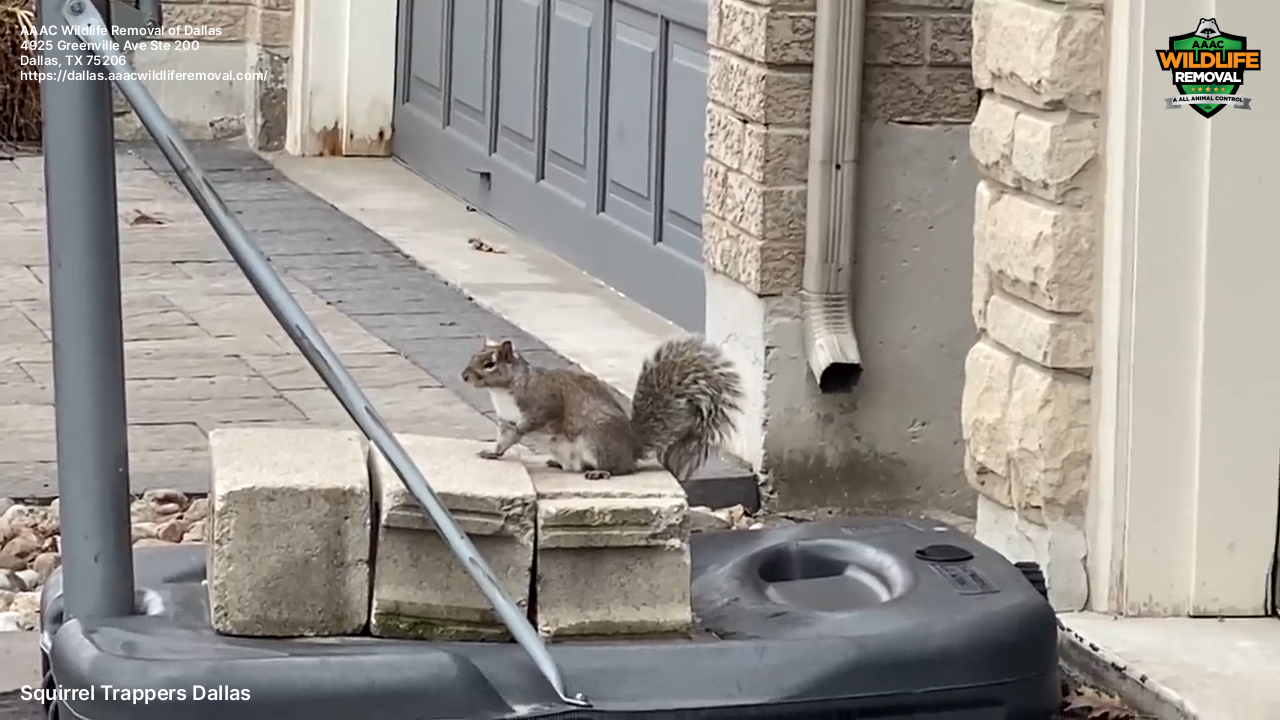
Raccoons are strong and clever. They pry up soffit returns and pop roof vents like Tupperware lids. A raccoon removal plan needs reinforcement, not filler. Squirrels chew relentlessly and target corners where two materials meet, such as fascia and roof decking. Squirrel removal without sealing those seams yields quick re-entry. Bats fit through gaps the width of a pencil, hang in tight crevices, and can’t be legally handled during maternity season in many states. Bat removal and exclusion must follow timing rules and use one-way devices sized for the species.
Rodents are a separate topic, but the principle holds. Mice can flatten to pass under a door sweep that looks “tight” to human eyes. Norway rats muscle through egg-sized gaps. If you match the fix to the species, your success rate spikes.
A house is a system of edges, joints, and vents
Most wildlife doesn’t chew dead center through a wall. It exploits transitions. The roof meets the wall. Brick meets wood. A vent cap meets duct. These junctions shift as a house expands and contracts. Seals dry out. Fasteners loosen after storms. An exclusion-minded inspection reads those edges like a map.
Typical residential weak spots:
- Roof-plane penetrations: plumbing vent stacks, attic fans, ridge vents, static vents, and chimney flashing. A damaged boot or a lifted shingle is an open invitation to squirrels and raccoons. Eaves, fascia, and soffits: where roof decking overhangs the wall. Birds and squirrels aim for the soft underbelly, raccoons pry at large returns. Construction gaps: especially on newer houses with fiber cement or vinyl siding. Builder gaps behind trim can be 0.25 inches or more, enough for bats and mice. Gable vents and attic louvers: slat gaps widen over time. If you can push a finger through, a bat can probably fit. Return air chases and chase tops: HVAC, plumbing, and fireplace chases that run up through the structure and vent at the roofline often have loose caps or missing screens. Crawl space and foundation: unsealed utility penetrations, cracked vents, or rotten door frames. Rats love these, as do opossums and skunks. Garage to attic transitions: a gap over the top plate or at the garage door’s corners can launch a squirrel into the attic highway.
Signs you’re looking at wildlife, not just wear and tear
You https://archernmco020.tearosediner.net/eco-friendly-nuisance-wildlife-management-techniques need proof before you seal. Look for rub marks where oils smear on entry edges, droppings that tell you the species, and nesting material dragged into voids. Fresh gnawing on fascia or ridge vents points to active squirrels. Insulation “highways” in an attic, with small droppings, suggest mice. Coarse, segmented droppings and latrine areas scream raccoon. Guano under a ridge or gable vent is a bat signal. Odor matters, too. A musky, sweet smell near the chimney cap often means raccoon denning. Ammonia in the attic is a rodent indicator.
Time of day helps. Heavy thumps at night on the ceiling skirt are often raccoons. Dawn and dusk activity with quick, light feet suggests squirrels. Bats chirp faintly and leave at dusk in waves. If you live in a place like North Texas, where wildlife control Dallas calls jump after spring storms, you will find that wind events often align with new openings.
Sequence matters: remove, proof, then seal
Exclusion must never trap live animals inside. That creates suffering, odor, and secondary infestations. The safe order runs like this: identify the species and locate the primary entry. Install a one-way device or perform targeted trapping with a licensed wildlife trapper. Once you are confident all animals have exited or been removed, you hard-seal every entry and secondary gap that meets the size threshold for that species.
Two cautionary notes from the field. First, late spring through mid-summer brings maternity dens for raccoons, squirrels, and bats. If you exclude the mother, you strand pups. Many states regulate bat exclusion during maternity season, and good operators follow those windows. Second, your one-way door must be species-appropriate. A raccoon can yank a flimsy excluder cage right off. A bat valve must have a smooth, narrow throat that discourages re-gripping the edge on exit.
Materials that stand up to teeth, claws, and weather
Foam is for energy gaps, not access points. Animals shred it like cotton candy. Caulk is a weather seal, not a structural closure. For true wildlife exclusion, choose materials aligned with force and chewing behavior.
For raccoons, squirrels, and rats, use 16 to 23 gauge galvanized steel hardware cloth or expanded metal for screens and backs. Screw it down with neoprene washer screws so water doesn’t wick into your roof deck. Anodized aluminum can work in non-chew zones, but harder metals perform better at corners.
For bats, the goal is tight closure with durable sealants. A backer rod plus high-quality polyurethane or silicone sealant works for crevices if the substrate is clean and dry. Where you need screening, use 0.25 inch hardware cloth to prevent bat entry while maintaining airflow.
For rodents around foundation and garage, pack voids with stainless steel wool, then seal over with mortar or high-grade sealant. On gap-prone siding and trim, metal flashing layered under trim solves the problem more permanently than surface caulk.
Vent covers deserve a special mention. Off-the-shelf plastic caps are brittle after a couple of summers. Replace them with metal pest-resistant caps that include backdraft dampers and 0.25 inch mesh. On ridge vents, retrofit with animal-resistant profiles or add an internal hardware cloth barrier that does not impede attic ventilation.
The attic, the crawl space, and the walls: different strategies for different zones
An attic is an open landscape where you can follow tracks in insulation, check wiring, and view daylight leaks at dawn. Once animals are out, seal light leaks that exceed the species thresholds. If you can see a sliver of sky larger than a pencil at the ridge or gable vent, fix it. Replace torn baffles at the soffits and seal the edges where decking meets fascia.
Crawl spaces hide odor and moisture problems that attract wildlife. Skunks, opossums, and rats find the cool, dark corner appealing. Here, strong door frames with metal thresholds and proper ventilation screens make a difference. Many crawl doors rot at the bottom, inviting entry. Build a new one out of exterior-grade material, add a metal kick plate, and seal to the jamb with weatherstripping that actually touches both sides.
Wall cavities pose another challenge. Squirrels slip in at the top and slide down voids to nest in insulation. You rarely open walls to fix this. Instead, you focus on the roof-to-wall transitions where they enter, then reinforce eave returns and corner boards with metal flashing under the exterior trim. If the house uses vinyl siding, remove a piece to install a metal block plate underneath, then reattach the vinyl so the look remains clean.
Climate and region change the playbook
In northern climates, animals work hardest in the fall. In the South, hot summers push wildlife toward cooled structures, while sudden cold snaps spark surges in attic denning. If you operate in a city like Dallas, large oak trees that canopy roofs create bridges for squirrels and raccoons. After high wind, wildlife control Dallas teams see a spike in lifted ridge vents and blown caps. In coastal areas, salt air shortens the life of metal and plastic components, so stainless fasteners and UV-stable materials buy you years.
Material expansion differs by climate, too. Wide seasonal swings open hairline cracks that bats exploit. In arid regions, sealants can dry and crack faster. Schedule inspection cycles accordingly.
Health, hygiene, and legal considerations you can’t skip
Guano, raccoon roundworm, leptospirosis in urine, fleas and mites in nests, and histoplasma spores in bat droppings all pose risks. Never dry-sweep contaminated insulation. Use a HEPA vacuum and proper PPE: gloves, respirator, and disposable suits when disturbance is significant. For bat and migratory bird issues, federal and state rules dictate methods and timing. A reputable wildlife pest control service will brief you on these constraints before work begins.
Homeowners often underestimate deodorization. If a raccoon latrine sits on HVAC ductboard or attic joists, the odor saturates. After removal, enzyme-based bio-cleaners help, but sometimes wood sealing is required. If you skip sanitation, the scent can attract the next animal.
Where DIY ends and a professional begins
Many homeowners can seal small gaps, replace a vent cap, or install door sweeps. The line to hire a pro usually appears when the entry is high on the roof, the species is protected or aggressive, or when you suspect a maternity den. A pest wildlife trapper with ladders, safety gear, and species-specific devices reduces risk.
If you engage a wildlife removal service, ask about their exclusion warranty. Good operators back their sealing for one to three years because they know their materials and technique hold up. If a company quotes only traps without sealing, you are buying a short-term fix.
The cost picture: where money is saved or wasted
Prices vary by market and architecture. A straightforward squirrel exclusion with one primary entry and a couple of secondary gaps may run a few hundred dollars for sealing after removal. Complex raccoon jobs with multiple roof penetrations, reinforced vents, and heavy-duty chimney caps can run into the low thousands. Bat exclusion often sits in the middle, driven by linear footage of sealing along rooflines and trim.
Money is wasted when you buy repeated trapping without closing the holes. It is also wasted when someone floods every seam with foam that animals immediately chew through. Spend on durable metals, proper caps, and clean installs. You will see the savings in fewer callbacks and reduced energy loss.
Case snapshot: the soffit that kept reopening
One spring, a two-story home presented textbook squirrel sign: scurrying at dawn, acorns in the attic, chew marks on the fascia at a gable return. The owner had patched the corner with wood putty twice. Each time, the squirrels returned within three days. We removed the squirrels with a one-way cage over the hole, then rebuilt the corner. The fix was not putty but structure: we installed a galvanized L-flashing under the fascia and up against the roof decking, then reinstalled the fascia with stainless screws and sealed the seam with a paintable polyurethane. The chew point vanished because the first bite met metal. No return visits that season or the next.
Case snapshot: bats at the gable vent with a maternity window closing in
In early May, a client reported faint chirping near a second-story gable. Guano below the vent confirmed bats, likely a small colony of evening bats. Maternity season was weeks away, but we had to act quickly. We installed a bat valve that fit snugly along the slat edge, sealed every peripheral gap around the vent frame but left the valve path open, then scheduled a follow-up for removal and final sealing after exit was confirmed. The critical detail was airflow retention. We used 0.25 inch hardware cloth behind the louvers to maintain ventilation once the bats were out, then removed the valve and sealed its slot with a color-matched sealant. Timing and precision kept us compliant and effective.
Your home inspection routine: a practical rhythm
Walk your property twice a year, ideally after major weather events. Use binoculars for roof edges. Don’t fixate on a single hole; think like an animal moving along an edge, testing every joint. Inside, pop the attic hatch with a headlamp at dusk and listen. Look for daylight along ridges and vents. Smell for ammonia or musk, and note any fresh insulation trails. If you have a crawl space, peek inside with a bright flashlight and look for droppings near the perimeter.
When trees and landscaping help or hurt
Overhanging limbs don’t just scrape shingles. They connect wildlife highways to your roof. Trim branches back at least 8 to 10 feet where possible, balanced with tree health. Keep compost, pet food, and bird feeders farther from the house than you think necessary. In neighborhoods with mature trees, consider dormer and soffit reinforcement as part of a preventive plan, not only after a breach.
Pest abatement versus exclusion: where they intersect
Pest abatement tends to describe treatments that reduce pest pressure, like baiting for rodents or insect barriers. Exclusion is mechanical and architectural. They meet at the ground. If you bait without sealing, you invite reinfestation. If you seal without addressing overpopulation or sanitation, animals pressure your new seals relentlessly. Integrated nuisance wildlife management uses both selectively, led by exclusion.
Specialty caps and guards worth the money
Chimney caps with spark arrestor mesh and solid tops protect against rain and raccoons. Invest in a gauge that resists bending, not a thin plate that peels under load. Dryer vent guards must allow flap movement and lint exit, or you trade one problem for another. Foundation vent covers should be metal, not brittle plastic, and set flush to masonry with anchors, not just adhesive.
Electrical and fire safety during and after wildlife events
Chewed wires in attics are a leading safety concern with squirrels and rats. If you see copper, exposed insulation, or arc marks, halt exclusion until a licensed electrician evaluates and repairs the damage. Nesting near recessed lights can create a fire risk. After animals are removed, confirm that insulation has not buried non-IC rated fixtures. These are small checks that head off big losses.
The local angle: why permits and neighbors matter
In many cities and counties, certain wildlife trapping methods require permits. Neighbors also influence your success. On townhome rows and duplexes, sealing one unit while the adjacent remains open simply reroutes the population. Coordinated action works better. In tight urban grids, a wildlife trapper may sit down with an HOA to plan ridge vent reinforcement for an entire block. That shared cost yields stronger results and fewer new entries.
Preparation and follow-through: a short homeowner checklist
- Confirm the species by sign, sound, and timing so you choose proper removal and sealing methods. Remove or exclude animals humanely and legally, using one-way devices or targeted trapping with a licensed professional. Seal primary and secondary entries with durable materials matched to the species’ abilities, and reinforce edges and transitions, not only obvious holes. Clean and sanitize affected spaces using HEPA filtration and proper PPE, then repair insulation and check electrical safety. Schedule seasonal inspections and prune wildlife bridges like overhanging branches, and keep exterior food sources away from the structure.
Bringing it together: make your house a hard target
Effective wildlife exclusion is less about heroics on a ladder and more about details. A 0.5 inch gap is a door to a mouse. A loose ridge cap is an invitation to a squirrel. A cracked boot on a vent stack is a raccoon handle. If you think in terms of edges, thresholds, and species-specific behavior, your fixes last. If you simply fill holes visible from the driveway, you will be on a first-name basis with your wildlife trapper.
Professionals earn their fee by compressing twenty small operations into one coordinated visit: removing animals without collateral harm, sealing dozens of micro-openings, reinforcing the chronic weak points, and leaving behind a structure that weather and wildlife both have a hard time moving. Whether you hire a wildlife pest control service or tackle parts of the job yourself, keep your focus on permanence. Materials that resist teeth and claws. Seals that flex with seasons. Venting that keeps air moving while animals stay out.
When you look up at your eaves after a storm and see everything still tight, you will know the difference between temporary pest control and true exclusion. That is the goal of any competent wildlife exclusion service, and the surest path to sleeping through the night without that telltale skitter in the wall.