Wildlife work tends to start with a phone call that sounds the same, whether the caller is a homeowner, a facilities manager, or the person who just pulled into a company lot and watched raccoons take apart the dumpster. There is panic, there is a guess at the species, and there is usually a myth baked into the opening line. My job, after three decades in nuisance wildlife management, is equal parts detective, builder, and teacher. The animals follow their instincts. People follow stories they have heard from a neighbor or on a forum. The gap between the two is where damage, wasted money, and real hazards breed.
These are the myths I hear most, why they persist, and what experience has proven to be true. If you work with a wildlife trapper, or you are considering wildlife removal services, this will help you ask better questions and avoid expensive missteps.
Myth: “If I remove the animal, the problem is solved.”
This one is intuitive and almost always wrong. You trap a raccoon from the attic, feel a wave of relief, and two weeks later you are back to midnight thumping above the bedroom. The problem is not the animal. The problem is the opening. Wildlife control that focuses only on capture treats the symptom and leaves the doorway.
Raccoons can get through a gap that looks too small for their bulk because the entry is usually a hole they made. Squirrels chew open drip edge where fascia meets roof. Bats find a quarter-inch gap along a ridge vent and ride the airflow into a soffit. Remove the animal and another individual will use the same highway. That is why professionals prioritize wildlife exclusion services alongside removal. We identify entry points, seal them with materials that match the species and the structure, and rebuild vulnerable edges so they resist prying paws and incisors.
A quick example: a church I serviced had flying squirrels in a sanctuary ceiling every fall. They had paid for trapping four years in a row. No one had addressed the unsealed stone-to-wood transition along the bell tower. We installed a stainless steel mesh backer behind a custom trim board, added an exit one-way for ten days, then sealed. Zero returns in five years. Without that work, you can trap forever and never get ahead.
Myth: “Mothballs, ammonia, or peppermint oil will drive them out.”
I have walked into garages that smelled like a chemistry lab after a spill. The owner had placed open pans of ammonia and scattered mothballs in every corner. The mice, undeterred, nested in the insulation behind the water heater. Repellents sell because they promise control without hard work or professional help. In practice, airborne irritants barely register against an animal’s drive to den, raise young, and access food. Strong oils may redirect insects, but once rodents establish a runway or squirrels stake a territory inside a soffit, a smell does not undo the investment they have made.
There are exceptions at the margins. Short-term discomfort in a new intrusion zone can buy a few days while you arrange pest wildlife removal. A loud radio in a barn corner, a bright light in a crawl space, or a temporary irritant may cause a curious raccoon to pause. But seasoned individuals ignore it, and mothers with kits will do whatever it takes to stay. I have found mummified bats in attics treated with mothballs because the owner sealed before verifying every bat had exited. That is more than ineffective, it is unlawful and cruel.
Good wildlife pest control blends behavior and building science. Close the attractants, remove food sources, seal the structure, and address the animals present with methods that match their biology. Anything that promises a shortcut tends to extend the problem.
Myth: “Poison is the fastest fix.”
Rodenticide has its place, mainly in exterior stations at commercial sites where sanitation and structural work are already in motion. Inside homes, poison often creates secondary messes worse than the initial problem. A mouse that eats bait and dies in a wall void produces an odor that lingers for weeks. A rat that ingests anticoagulant may wander, bleed, and become slow enough for a pet to catch, creating a secondary tox exposure. I have cut more than one drywall panel to extract carcasses that nobody wanted to find, and in two cases I had to remove portions of hardwood flooring because fluids wicked into seams.
Integrated pest control relies on multiple tactics, starting with the basics. Seal exterior gaps larger than a pencil. Brush-strip doors so daylight does not show. Tighten pipe penetrations where they pass through walls. Store food in sealed containers and cut back vegetation at least a foot from the foundation. For active interior mouse populations, snap traps still outperform poison in speed and certainty. They also allow you to confirm numbers, species, and progress. If infestation pressure is heavy from an adjacent property, exterior baiting may make sense, but it should never substitute for exclusion and sanitation.
Myth: “Wild animals will leave on their own if you wait.”
Sometimes they do. More often they settle in. Wildlife selects shelter that confers an advantage: warmth, darkness, safety from predators, proximity to food. Your attic provides all four. When someone tells me they will “let nature take its course,” I think of the attic fires I have traced to chewed wiring, the raccoon roundworms found in children’s playrooms below contaminated ceilings, and the bat guano loads that collapsed a garage ceiling after a decade of accumulation.
Timing matters. In my region, gray squirrels produce two litters, often February to March, then July to August. Excluding an attic in mid-March without accounting for newborn kits will orphan them and trigger frantic chewing from the mother. Bats cluster in maternity groups through summer. Some species, such as big brown bats, overwinter in structures. A responsible wildlife control plan syncs with these cycles. We schedule bat exclusions for late summer into early fall, after pups can fly, and we build contingencies for early cold snaps that drive animals deeper into insulation. Waiting rarely improves the odds. Waiting with a plan makes sense.
Myth: “They only enter dirty or neglected properties.”
I have replaced soffit boards on luxury homes with immaculate landscaping and spotless kitchens. Wildlife does not grade properties by tidiness. It keys on opportunity. Dense ivy against a wall, an unprotected ridge vent, or a pet door that never fully closes can defeat the purest housekeeping. That said, sanitation drives rodent population density. Food waste in open trash, birdseed spilled beneath feeders, and dog food left on a porch are magnets for rats and raccoons.
The more professional view is risk layering. The structure offers a pathway, the yard offers food and cover, and the surrounding habitat sets the baseline pressure. You can control two of those three. I advise clients in wooded neighborhoods to preemptively install chimney caps and screen attic vents with hardware cloth sized to withstand chewing. In urban corridors, I push for heavy-gauge trash lids, frequent pad washing, and tight pallet storage. No property is immune. Every property can be made less inviting.
Myth: “Any trap will work the same.”
I have seen traps set with good intentions and no chance of success. A homeowner using a small cage for a large raccoon. A live trap placed on a slope that tips when the animal enters, then spooks it for life. Peanut butter set for a groundhog that ignores it, while a slice of cantaloupe would have had the animal inside within an hour.
Trap selection and placement are more than product choice. They are a read of routes, wind, species habits, even the day’s weather. In summer heat, a trap on asphalt becomes an oven by midafternoon. In winter, a metal floor steals heat from an animal in minutes. Humane capture requires shade, bedding, and frequent checks. Bait should be wired to the trigger so the animal must commit, not snatch and retreat. For certain species and settings, non-trapping options are better. I prefer one-way doors for squirrels if the entry can be isolated and young are mobile. For skunks under a stoop, a trench-and-screen skirt combined with a one-way panel prevents future digging without the risks of trapping and transport.
Professional wildlife trappers carry sets that handle species https://jsbin.com/cufubohuki from small rodents to adult beavers. The trick is less about the gadget and more about the pathway and the goal. Capture is sometimes necessary, often avoidable, and always just one part of the job.
Myth: “Relocating wildlife humanely solves the problem.”
Relocation sounds compassionate. In practice, it often reduces survival and spreads disease risk. A raccoon moved miles away enters another raccoon’s territory, where fights and injury are likely. Mothers with young may abandon them during relocation. Some animals, like squirrels, home back to their area if released within a few miles; others wander until they starve or are taken by predators. Many states regulate relocation for these reasons, and for disease control. Transporting animals across county lines can violate wildlife laws and can spread pathogens like rabies, distemper, or leptospirosis.
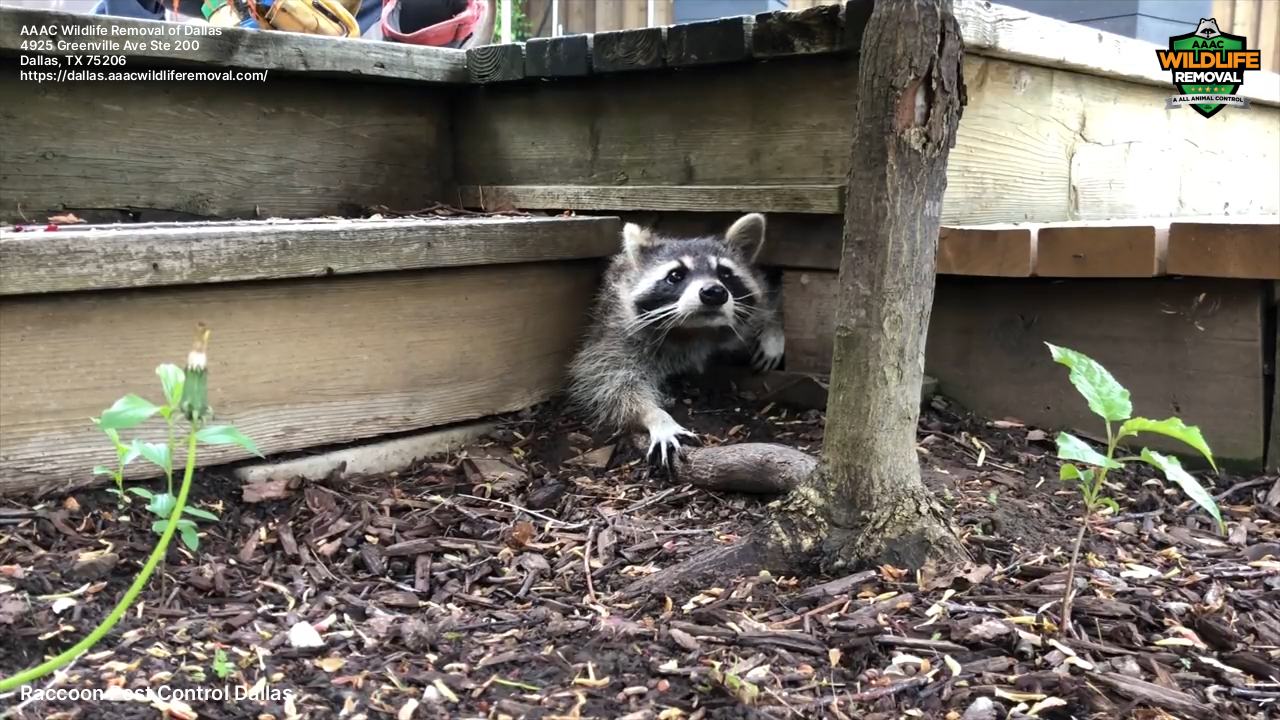
Ethical nuisance wildlife management puts animals back outside the structure and keeps them out. We use evictions and one-way doors during appropriate seasons, install exclusion materials that preserve ventilation and drainage, and allow animals to continue their lives in the habitat they already use. When capture is warranted, euthanasia may be the legal requirement for certain species or disease suspects. It is not a decision anyone enjoys, but honesty about outcomes protects public health and avoids quiet suffering in a new, unfamiliar place.
Myth: “Bats always indicate rabies.”
Bats carry a higher rabies prevalence than many mammals, but the headline often eclipses the nuance. In surveillance data across North America, a small percentage of bats submitted for testing are positive, which overrepresents sick individuals. The majority of bats in an attic or a gable vent are healthy animals using a daytime roost. The real hazard is exposure that goes unnoticed. Bats have small teeth, and a sleeping person may not register a bite. That is why any bat found in a room with a sleeping person, an unattended child, or a cognitively impaired adult should be captured for testing if possible, or the exposed person should consult health authorities immediately about post-exposure prophylaxis.
From a building perspective, bat work is its own discipline. Proper bat exclusion is meticulous. We seal every gap larger than a dime around the roofline, then install one-way valves at active exits for at least a week. We avoid sealant that slumps in heat and use backer materials that resist UV breakdown. Guano cleanup requires protective equipment and dust control because spore-laden dust can carry histoplasma. Done correctly, bat work is safe and humane. The myth turns a complicated but manageable situation into panic. Calm procedure is better.
Myth: “Noise is always wildlife.”
Scratching at night may be mice, or it may be thermal expansion in a PVC vent line rubbing a joist. Heavy thumps at dusk could be raccoons, or a misbalanced attic fan cycling on and off. I respond to at least a dozen calls each year where the culprit is a mechanical system. One case involved a faulty check valve on a sump line that chattered in a cadence perfect for “squirrel in the soffit.” Another was a loose gutter strap slapping siding when wind gusted. Before you trap, diagnose.
A methodical inspection starts with the outside. Look for rub marks at entry points, droppings below chinks, tufts of fur caught on bent metal, smudge trails along siding. Inside, follow insulation trails, check for droppings and urine staining, and listen at different times of day. Track patterns. Nocturnal creatures such as rats and raccoons are most active after dark. Squirrels peak early morning and late afternoon. Birds leave feathers, not gnaw marks. The more precise the ID, the better the plan. A technician with the right headlamp, mirror, and nose can save days of guesswork.
Myth: “DIY exclusion is basically caulk and chicken wire.”
If I had to list the top three mistakes amateurs make, using the wrong materials would be on it. Caulk is a sealant, not a barrier. Rodents chew through it, and UV breaks it down on exterior edges. Chicken wire defeats chickens, not raccoons or squirrels. The openings are large, the wire is thin, and the weave pulls apart under prying hands. For exclusion, use hardware cloth in 16 to 19 gauge with quarter-inch openings for rodents and bats, stainless steel where corrosion is a concern, and fasten it with screws and washers into framing, not just fascia skin. For roof edges, metal drip flashing combined with proper fascia wrap takes away the chew point.
It also matters how you integrate materials with water management. A sloppy screen job that traps moisture against wood creates rot, which then creates a new entry path. Ridge vent covers exist that resist lift and tooth, but they must preserve ventilation or you will cook the attic and void a roof warranty. Chimney caps should be sized to flue and crown, with spark arresting mesh appropriate for local code. The craftsmanship takes time. When homeowners hire wildlife exclusion services, they pay as much for knowledge of building envelopes as for tools.
Myth: “Once sealed, the house is wildlife-proof forever.”
Nothing on a structure is forever. Sun bakes sealant. Freeze-thaw cycles creep joints open. Woodpeckers test fascia. Squirrels scout soffits years after the initial work. A good wildlife control program includes maintenance. I recommend a brief annual inspection, especially after roof or siding replacement, storm events, or gutter work. Tradespeople can unintentionally create access points by leaving a gap near a vent or failing to reattach a screen pulled for service.
One of my commercial clients runs stores in three states. We track service calls and can see a spike after signage changes. New penetrations for electrical and mounting hardware create paths for starlings into canopies. We learned to coordinate with installers, pre-fit screens, and schedule a follow-up in 30 days. Residential owners can borrow that mindset. After any exterior work, do a slow lap around the house at dusk with a flashlight. Look up into eaves, check for light gaps around pipes, and listen. Preventive minutes beat midnight scrambles.
Myth: “All wildlife companies offer the same thing.”
The industry spans one-person shops with a ladder and a pickup, national franchises, and full-service firms with carpenters on staff. Some are licensed for structural pest control, some are not. Some emphasize trapping, others focus on exclusion. Price alone does not tell you value. A low bid can indicate someone plans to set a few traps and hope, or it may mean the operator works efficiently and warranties their work. Ask about training, materials, warranties, and approach. A strong provider of wildlife removal services will talk as much about how they will keep animals out as how they will remove what is there.
I advise clients to ask three simple questions. First, what are the entry points and how do you know? Second, what exact materials will you use at each location? Third, what is the warranty and what voids it? You should hear species-specific details, such as bat-compatible one-way valves and sealing windows by season, or squirrel-proof drip edge reinforcement rather than generalities like “We’ll seal everything.” Clear answers separate professionals from improvisers.
Myth: “Wildlife work is just pest control with bigger traps.”
There is overlap, but the mindset is different. Traditional pest control often relies on chemical interventions alongside exclusion and sanitation. Wildlife work leans heavily on building modification, animal behavior, and legal compliance. Regulations govern how, when, and whether you can handle certain species. Bird control at a distribution center involves lift equipment, structural load limits, and long-term habitat change. Beaver work touches waterways, permitting, and watershed impacts. Even at the residential level, raccoon roundworm risks demand careful fecal cleanup protocols, not just removing the animal.
That is why nuisance wildlife management merits its own plan, budget, and expertise. It bridges trades. The best practitioners are part inspector, part carpenter, part biologist, and part communicator.
What actually works: the professional pattern
The most successful outcomes share a pattern that looks simple on paper and detailed in the field. It goes like this: inspect thoroughly, remove or evict what is inside, exclude with durable materials, reduce attractants, and confirm with follow-up. When we compress or skip steps, we create call-backs.
Here is a compact homeowner checklist that mirrors professional practice:
- Verify species and entry points before any trapping or sealing. Time eviction and exclusion to avoid orphaning young. Use species-appropriate one-way devices and traps, with shade and frequent checks. Install durable exclusion materials integrated with drainage and ventilation. Reduce food sources and cover, then schedule a follow-up check.
Each line hides trade-offs. Verifying species may require night watches or camera placement. Timing eviction can delay a project by weeks to protect young. Durable materials cost more upfront, but replacing a soffit twice costs more still. Attractant reduction may require the hard choice to take down a bird feeder or relocate a compost bin. Follow-ups catch the once-a-year failure that otherwise becomes next season’s crisis.
Costs, warranties, and what “guarantee” really means
Clients often ask, “What will this cost?” The honest answer ranges. A straightforward one-way evict-and-seal for squirrels might run a few hundred to a couple thousand dollars depending on roofline complexity and access. Bat exclusions in large homes can exceed several thousand dollars, especially if guano remediation and insulation replacement are needed. Commercial bird control with netting, shock track, or structural modifications can climb higher. The best way to protect the spend is a meaningful warranty paired with realistic expectations.
A solid warranty states duration, covered areas, and species. It also defines conditions that void coverage, such as roof work performed after the exclusion or tree limbs recontacting the roof. I offer two to five years on most exclusion work, with an annual inspection option that extends coverage. Longer warranties are possible if we maintain the barrier. Be wary of blanket “lifetime” promises without maintenance provisions. Houses change. So do animal pressures. A partnership model outperforms slogans.
Health, safety, and the quiet hazards
Damage is visible. Health risks are quieter. Breathing dust contaminated with rodent droppings can transmit hantaviruses in certain regions. Raccoon latrines carry Baylisascaris procyonis eggs that stay viable for years. Bat guano can harbor histoplasma spores. Skunks carry rabies in some areas at higher rates than other small mammals. These are manageable with protective equipment, containment, and specific cleaning protocols. The right team will talk about negative air machines, HEPA filtration, wet methods for droppings removal, and, where appropriate, replacement of contaminated insulation rather than cosmetically covering it.
I have turned down projects when a client asked me to “just vacuum” a raccoon latrine with a shop vac. That tool aerosolizes what you most want contained. Real cleanup means personal protective gear, bagging waste to disposal standards, treating surfaces, and sometimes sealing wood after cleaning. The honest conversation about risk is part of professional wildlife control.
Working with wildlife instead of against it
The longer I do this, the more I think of wildlife work as boundary setting rather than conflict. Animals are doing what they are built to do. We own the boundary. Good boundaries require clear edges, not vague lines. In construction terms, clear edges are physical barriers tied into the structure. In management terms, they are habits, like securing trash, feeding pets indoors, and trimming trees to keep limbs off the roof. The myths tend to blur the edges, promising that a smell, a sound, or a hope will keep a determined creature at bay.
Professionals live in the specifics. Which ridge vent cover tolerates UV on a west-facing roof. Which gauge of mesh resists a gray squirrel’s bite. Which bat species migrates versus overwinters in your county. That is the substance behind wildlife removal services worth hiring, and the difference between recurring nuisance and durable peace.
If you take one lesson from years of crawl spaces, attics, and rooftops, let it be this: focus on entries and edges. Animals follow paths. Close the paths with the right materials at the right time, and most myths fall away.