Buying a house is exciting, but nothing deflates that joy like the sound of skittering in the attic on your first night. I have walked buyers through crawlspaces that looked clean at a glance, only to find bat guano tucked behind ductwork or raccoon prints across the joists. A home can pass a general inspection and still hide problems from wildlife, and those problems get expensive fast. The cost is not just financial. Wildlife brings health risks, fire hazards, and sleepless nights. With a sharp eye, a measured plan, and the right professionals when needed, you can keep control from day one.
Where wildlife problems hide during a purchase
A standard pre-purchase home inspection focuses on structure, systems, and safety. Some inspectors are wildlife-savvy, but many do not pull soffit panels, open gable vents, or trace entry points up a ladder. Nuisance wildlife management requires a different mindset: thinking like a raccoon, smelling for urine, and looking for the faint smudge marks along a roofline that betray repeat traffic.
The main concealment zones are predictable. Attics, crawlspaces, garage rafters, chimney flues, and roof-wall intersections take the top spots. Even a tidy landscape can provide travel corridors. A slim gap between siding and a utility line, or a warped fascia board under the gutter, is plenty of space for mice or bats. Homes that stood vacant https://telegra.ph/Wildlife-Control-Strategies-for-Attics-and-Crawl-Spaces-02-07 for a season tend to be more vulnerable. Heat cycles stop, grass grows, and animals explore.
I have seen buyers assume that new construction means wildlife-proof. It is not. Builders leave temporary gaps on roof edges for ventilation during construction, then forget to close them with screening. A plumber’s penetration for a gas line goes in, and the caulk dries with a 1/4 inch air space. That is a welcome mat for insects and rodents, and once the scent trail starts, others follow.
Local suspects: who moves in and why
Every region has its usual suspects, but the behavior patterns overlap. Squirrels follow acorns and shelter in attics. Raccoons seek dry, safe birth dens and target soffits and chimney tops. Bats prefer quiet, warm spaces with narrow entry slots, and they can live behind shutters or trim gaps without you noticing for months. Mice and rats need little more than food and a finger-width opening. Birds love open vents. Snakes follow rodent prey into crawlspaces and garages. Skunks dig under low decks and porches, and their odor announces itself.
Seasonality matters. In most parts of North America, late winter through early summer is denning and nesting season for raccoons, squirrels, and birds. Bats form maternity colonies in summer. If you schedule a move during those windows, expect more activity and be careful with any removal strategies. Ethical wildlife control includes understanding life cycles so you do not trap newborns inside a house.
Food and water drive most decisions for wildlife. A home with a bird feeder, overflowing trash, bowls of pet food in the garage, and a leaky hose bib creates a buffet. Habitat is next. Overgrown ivy, stacked firewood against siding, or a lattice around a deck without buried screening all provide cover. Think of your property as an ecosystem. Change the inputs, and the wildlife changes too.
A structured walk-through: what to check before you buy
Do a wildlife-oriented inspection before you fall in love with crown molding. Bring a flashlight, a respirator or N95, and gloves for any attic or crawlspace. You are not trying to replace a professional, but informed eyes can catch red flags.
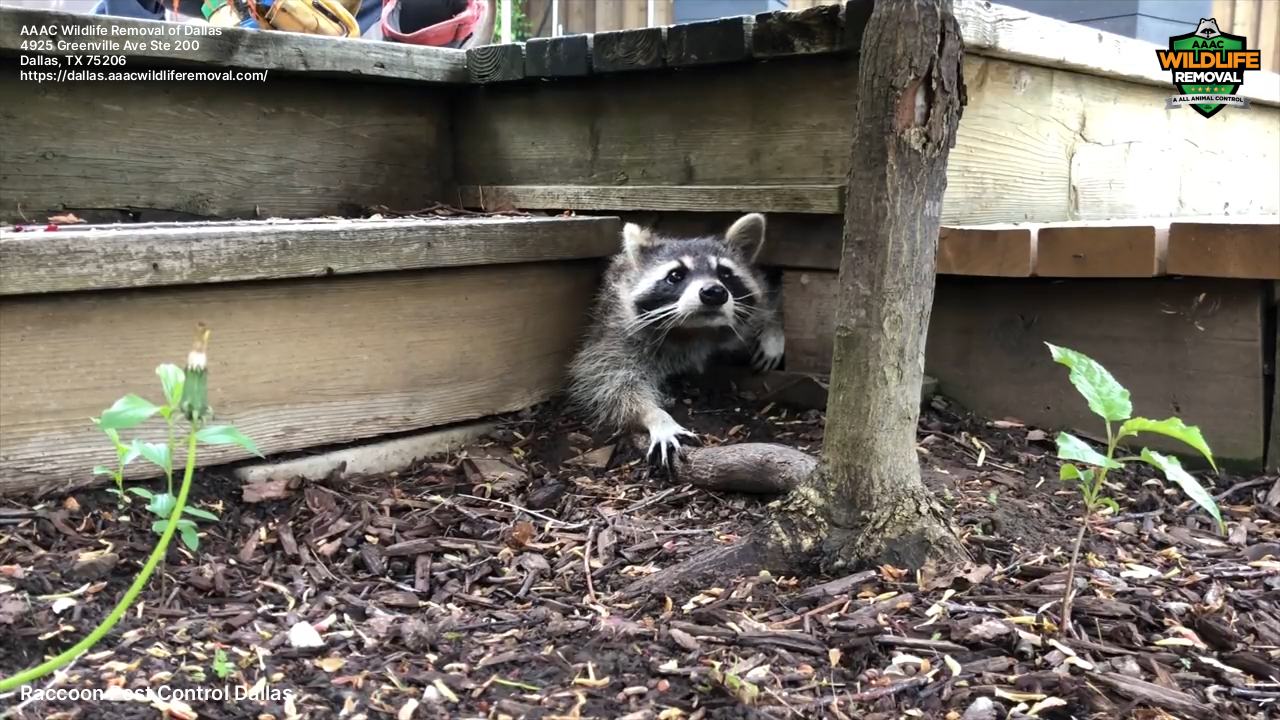
Exterior first. Start at ground level, then move up. Look for rub marks around pipe or cable penetrations, usually a faint gray or brown smear where oils from fur collect. Scan the lower siding for gnawing, particularly at garage door corners. Inspect the gap under the deck skirting or steps. If soil is disturbed or the lattice has a depression, something has been digging.
Work your way up the structure. At the eaves, check for sagging soffits and gaps under fascia. Look at gable vents. Many are decorative slats without screening behind them. Birds and bats slip through easily. Inspect roof valleys and points where a lower roof meets a wall. Those junctions commonly hide openings behind flashing. If you can step back with binoculars, check the chimney cap. A missing or damaged cap means an open invitation for raccoons and birds. Metal mesh should be intact with no rust.
Doors and windows matter more than you think. A worn sill or chew marks around a bulkhead door tell a story. Weatherstripping that no longer touches the threshold lets mice stroll in. Garage doors lose their bottom seal over time, and if you can see daylight, so can they.
Now the interior. In the attic, do not fixate only on the center walkway. Scan the edges. Insulation often hides the truth, so look for tunneling tracks or matted runs. Urine stains appear as yellow-brown spots on the drywall backer or on framing members. Raccoons leave latrines: concentrated piles often near a corner or chimney. Squirrel activity shows up as shredded insulation and clusters of acorn shells. Bats leave coffee-ground droppings below roost points, and bat guano crumbles into powder. Fresh droppings are darker and shiny. Old droppings are dull and dry.
Smell is a powerful clue. Ammonia odors suggest concentrated urine. A musty, sweet smell can indicate old nests. Also watch for daylight peeking through at roof edges that should be sealed. If you see daylight bigger than a pencil, that is a potential entry. Check the HVAC plenum and duct joints for chew damage. Rodents love flexible ducts, and a single hole can misdirect conditioned air and spike energy bills.
Crawlspaces are less forgiving. If plastic vapor barriers are present, lift a corner to check for droppings or hair. Assess the sill plates and rim joists for tunnels and gnaw marks. If you see mud tubes, that is termites, not wildlife, but both problems often overlap in neglected spaces. Look at insulation on the band joist; rodent tunnels leave distinct grooves. If any foundation vents lack 1/4 inch hardware cloth behind their decorative covers, budget for screening.
Garages and utility rooms often get overlooked. Check the water heater vent, laundry vents, and any pass-throughs for gas or power lines. Gaps around those penetrations accumulate rodent droppings. If a previous owner used spray foam around a hole and it is chewed or crumbled, that patch has failed. Expanding foam alone is not rodent-proof.
Recognizing fresh versus historical activity
Old scars are not deal-breakers if the access points are closed. You want to distinguish between legacy damage and active use. Fresh droppings are moist, dark, and often glisten slightly. Older droppings turn chalky and crush easily. New rub marks look smudged and oily; older ones are faint. Insulation disturbed in clean lines often means recent travel. Dust-free footprints in attics or along ducts suggest a current path.
Noise patterns can help. Daytime thumping on attic rafters points to squirrels. Night clattering and heavy footsteps lean toward raccoons. High-pitch squeaks near dusk can signal bats leaving through a gap. If you arrange a second walkthrough at dusk or dawn, watch the eaves for outbound traffic.
If the seller discloses wildlife pest control invoices, read them closely. A bill for one-time trapping without documented sealing is a red flag. Proper wildlife removal services include exclusion, not just capture. Look for line items like “sealed soffit returns with sheet metal” or “installed chimney cap with 3/4 inch mesh.” Trapping without exclusion is a revolving door.
Health and safety considerations
Wildlife brings pathogens, parasites, and hazards. Rodents can carry hantavirus and leptospirosis. Raccoon latrines pose risks from Baylisascaris roundworms. Bat guano accumulations, when disturbed, can aerosolize fungal spores associated with histoplasmosis. In practice, most homeowners never get sick, but ignoring risks is not wise. Wear a respirator and gloves when disturbing insulation or droppings. Never sweep dry raccoon feces. Dampen and remove with disposable towels, then disinfect.
Chew damage is just as serious. I have seen mouse-gnawed wiring splices wrapped in electrical tape inside an attic junction box. That is a recipe for arcing. Squirrels target wiring along roof edges and around solar inverters. If you suspect wildlife, budget for an electrician to inspect accessible runs after you close.
When to bring in specialists
If you see moderate to heavy signs of wildlife, call a qualified wildlife trapper or operator before your inspection contingency expires. Choose companies that emphasize wildlife exclusion services, not just short-term trapping. Ask for photos and a written scope: entry points found, materials used for sealing, and warranty length on the exclusion. A one-year warranty on seal-ups is common. Multi-year coverage is available on comprehensive jobs.
Many pest control companies excel at insects and baiting programs for rodents, but not all have the carpentry and ladder skills for full wildlife control. Look for terms like “pest wildlife removal” and “wildlife pest control” on their site, and ask to see examples of metal flashing repairs, ridge vent screening, and chimney cap installation. A company comfortable on steep roofs is less likely to miss that one troublesome soffit bay.
If bat guano is extensive, a remediation crew is worth every dollar. Proper cleanup involves HEPA filtration, negative air containment, and safe removal of contaminated insulation. It is a controlled process, not a shop-vac Saturday project. For raccoon latrines, professionals use specific decontamination protocols to reduce roundworm risk.
Negotiation leverage during the purchase
Active wildlife issues are legitimate grounds for repair requests or price adjustments. The most defensible approach is to present a report from a wildlife removal services provider with photographs, proposed exclusion methods, and costs. I have seen bids for comprehensive sealing and remediation range from a few hundred dollars for simple bird guard installation to several thousand for full attic cleanouts with new insulation.
If the seller balks, propose escrow funds tied to completion by a licensed wildlife control operator of your choosing after closing. This sidesteps rushed work and ensures you control quality. Avoid vague concessions like “seller to address pests prior to closing.” Be specific: install stainless steel chimney cap, replace rotted fascia on east eave, screen gable vents with 1/4 inch hardware cloth, seal A/C line-set penetration with metal collar and mortar, and remove contaminated insulation with documented disposal.
Prevention mindset: building a wildlife-resilient home
Prevention sits at the intersection of architecture and habits. Start at the envelope. Any opening larger than a pencil is potential entry for mice. Quarter-inch hardware cloth is the gold standard for screening foundation vents and gable vents. For attic line vents and ridge vents, purpose-made wildlife guards add teeth to the design. Squirrels can chew plastic, but they respect steel.

Use materials animals cannot easily damage. For soffit returns where a roof meets a wall, close gaps with sheet metal or preformed flashing rather than wood filler alone. Around utility penetrations, backer rod plus sealant is not enough; add a metal escutcheon plate or mortar collar. Door sweeps in garages should be reinforced rubber with an internal metal spine.
Landscaping choices matter. Keep branches at least eight to ten feet from the roof if possible. Trim ivy from walls. Store firewood off the ground and away from the house. Elevate compost bins and use secure lids. If you feed birds, commit to cleanup. Seed shells and droppings attract rodents. Consider high-quality hulled seed to reduce waste on the ground.
Lighting and motion can help, but only at the margins. Raccoons adapt quickly. What works better is removing rewards. Lock down trash with tight lids and straps. Keep pet food indoors. Fix dripping spigots and leaky irrigation lines. Standing water is a wildlife magnet in dry months.

Humane control, lawful methods
Nuisance wildlife management is as much about compliance and compassion as it is about results. Many species have legal protections. Bats, for instance, often require specific timing for exclusion, and maternity season closures are common across states. Trapping skunks or raccoons without securing the entry points simply creates a vacuum that another animal will fill. Humane wildlife control means one-way doors paired with complete sealing after the animals leave, not indiscriminate trapping.
Some homeowners are tempted by poison baits, especially for rats. Understand the trade-offs. Anticoagulant rodenticides cause secondary poisoning up the food chain. Owls, hawks, foxes, and pets can suffer. Poison also leads to carcasses in walls and crawlspaces. Where rodent populations must be controlled, integrated strategies work best: exterior exclusion, heavy-duty door sweeps, snap traps in contained stations, and sanitation. Work with a pest control partner who prioritizes exclusion and mechanical control before chemical options.
Practical timeline for a new homeowner
Once you close, move quickly. The first two weeks set the tone. Start with a full perimeter walk. Capture photos of any gaps at roof edges, vents, and penetrations. Install a chimney cap if missing. Verify that dryer vents have a damper that closes. Swap flimsy attic gable screens for hardware cloth. If you have a crawlspace, confirm all vents are screened and the access door fits tight with a latch.
Inside, set up two to four monitoring points with nontoxic tracking powder or flour patches in areas you suspect rodent transit. Check them after two nights. If you see track patterns, place a few enclosed snap traps along the wall paths and block off food sources. In the attic, place simple motion or noise sensors if you cannot visit often. They are inexpensive and provide data without crawling on joists.
Address the landscape in the first month. Trim branches, elevate woodpiles, and clear a 12 to 18 inch gravel strip along the foundation to discourage digging. If you have a deck, consider buried hardware cloth around the perimeter, extending down about 12 inches and outward in an L shape to stop burrowing.
Schedule a seasonal check at six months. Flashing shifts, sealants cure and crack, and animals test your work. A quick attic and exterior check twice a year catches small issues before they grow.
Edge cases that trip up even careful buyers
Historic homes with decorative vents, open eaves, and layered siding hide more entry points than modern builds. Preservation rules can limit what you can alter on the exterior facade, which complicates wildlife exclusion. In those cases, match paintable metal screens to trim color and work from behind louvered vents where possible. If you have shake roofs, expect more wildlife pressure. Ridge lines and lifted shakes allow entry unless professionally guarded.
Solar arrays create shaded, protected spaces along roof edges that squirrels and pigeons love. Pigeon-proofing with perimeter clips and mesh is a separate service, and some solar installers do not include it. If you are buying a home with panels, ask if a pigeon guard exists and inspect it.
Townhomes and condos add a shared risk. If your neighbor neglects a problem, your unit gets spillover. Review HOA documents about pest wildlife removal and who pays for what. Clarify whether roof access is allowed for exclusion work. Some associations restrict exterior modifications, even beneficial ones like bird-proofing vents. Get approvals early.
Short attics stuffed with blown-in insulation complicate inspection. I carry a borescope for tight spaces. You can also remove a single soffit panel to peek in. Evidence concentrates where airflow and heat draw animals, often near furnace flues or bath fans.
Choosing the right professionals
Good wildlife control operators are part carpenter, part detective. They walk the envelope, not just set a trap. Ask how they handle roofline sealing, ridge vents, and fascia repairs. Materials matter. Galvanized steel and aluminum flashings outlast plastic or screen-only patches. On bats, ask about exclusion timing and whether they install bat houses away from the home to provide alternative roosts. True pros speak calmly about species behavior, legal windows for work, and the limits of what trapping alone can accomplish.
For rodents inside walls, a coordinated plan with a pest control company and a general contractor might be needed if there is structural damage. If the attic insulation is contaminated, insulation contractors experienced with wildlife cleanouts will remove and reinstall, often combined with air sealing work that improves energy performance. That may net you lower bills and quieter nights, a double win.
A concise pre-closing checklist
- Walk the exterior with binoculars, inspecting chimney caps, gable vents, soffits, and roof-wall intersections. Enter attic and crawlspace with a respirator, checking for droppings, urine stains, tunneling, chew marks, and daylight gaps. Verify foundation and gable vents have 1/4 inch hardware cloth behind decorative covers. Review seller disclosures and any invoices for wildlife or pest control, looking for true exclusion, not just trapping. Obtain at least one quote from a wildlife exclusion services provider for documented entry points and repair scope.
What success looks like one year in
A year after closing, the signs of good wildlife control are subtle. You do not hear anything overhead at dusk. The attic smells like wood and dust, not ammonia. Gable screens remain intact, flashing still tight, and the chimney cap free of rust. You find no new droppings along garage walls. Your bird feeder, if you keep one, sits over a tidy tray, and you sweep shells weekly. Trash cans latch and do not tip in a storm. A bat swoops in your yard at night, which is great for insects, but it does not live in your soffit.
I have seen clients turn a problem house into a quiet one with a modest investment and a disciplined routine. The trick is understanding that wildlife control is not a one-time event. It is a posture. Build the house to resist entry, remove the easy rewards, and confirm your defenses with quick seasonal checks. That approach bridges pest control and property stewardship.
Nuisance wildlife management, done right, respects animals, protects your home, and keeps peace in the neighborhood. It aligns carpentry with biology, and practical habits with long-term value. If you start that way on day one, your new home will give you plenty of things to think about that do not involve scratching in the walls.