Wild animals do not read real estate listings. When they decide your attic is a hollow tree, or your crawlspace smells like a den, they move in first and let you discover the problem later. By the time you hear scratching at 3 a.m. or see insulation spilling from a soffit, you are past prevention and into management. Budgeting for wildlife removal is mostly about understanding what you are paying for, why the price varies so widely, and how to make decisions that solve the whole problem, not just the symptom.
What you are actually buying
Homeowners often compare a quote for wildlife control to a simple pest treatment and wonder why it costs more than a spray or a set of traps. You are not paying for a single product, you are paying for a specialized service that combines diagnostics, fieldwork, risk management, materials, and often, permitting. A competent wildlife trapper brings ladders, roof gear, personal protective equipment, and a plan tailored to the animal’s behavior and to the structure. They also bring liability insurance because even careful work on roofs and tight spaces carries risk. You are buying time, expertise, and a result that should stop the problem and keep it from coming back.
I have been on roofs where the entry hole hid under a lifted shingle behind a gutter strap, and on others where seven small gaps around dormers combined to form a raccoon welcome mat. In both cases, there is no off-the-shelf fix. The job gets priced based on access, species, degree of damage, and the solution that will hold up to weather and wildlife.
Why prices swing from a few hundred to several thousand
There is a big spread because the work ranges from setting a one-way door for a squirrel that just moved in, to a full exclusion and cleanup after a multi-year bat colony. The main cost drivers are predictable if you know what to look for.
Species matters. A single skunk under a deck is different from a family of raccoons in a cathedral ceiling. Bats are regulated in many states, which limits timing and techniques. Snakes require a different skill set from opossums, and removing beavers from a culvert is closer to civil engineering than home service. The more specialized the species regulations and methods, the higher the cost.
Location in the structure matters. Ground-level intrusions are easier. Anything involving a steep roof, chimney, or attic with poor access takes longer and requires more safety gear. Two-story ladder work costs more than a crawlspace check.
The number of entry points matters. Sealing one hole is not the same as sealing a perimeter that has aged into a quilt of gaps and chewed edges. Wildlife exclusion work scales with the linear footage of roofline, the count of vents, and the condition of fascia and soffits.
Infestation severity matters. A new arrival that has not had time to nest or breed is cheaper to handle than a long-term residency with nesting material, droppings, and odors that draw future animals. Cleaning and deodorizing drive up costs, and they are not frivolous add-ons. Leave guano or urine in an attic and you will smell it when humidity spikes, and so will raccoons and rats cruising the neighborhood.
Finally, urgency and season can tip the scale. Emergency work at midnight costs more than a weekday call. Bat maternity season limits removal options, so the timeline can stretch, which means more visits and higher labor.
Typical cost ranges by situation
Numbers vary by region and by company standards, but certain patterns hold. For a single, non-venomous animal in an accessible spot, expect several hundred dollars to handle removal, device deployment, and a return visit. Once the problem involves a roofline or attic, a fair range runs from the high hundreds to a few thousand depending on how much exclusion is required. If you are dealing with a bat colony, the range can extend from roughly one to several thousand, driven by the number of entry points and the cleanup scope.
That same spread shows up with water-adjacent problems like beavers or nutria. Removing the animals is only part of the cost. Modifying the dam or installing a flow device to protect a culvert is a project with materials, labor, and sometimes coordination with a municipality or HOA. Those jobs often land in the low to mid thousands because the work takes time and heavy-duty materials.
As for cleanup, plan for an additional few hundred to a few thousand depending on the volume of waste and the accessibility of the space. A light surface clean and spot deodorization runs modestly. Pulling contaminated insulation and sanitizing a 1,000 square foot attic is a different scale altogether.
The anatomy of a fair quote
A well-constructed estimate for wildlife control reads like a plan, not a mystery number. You should see the initial inspection called out, the species identified or at least suspected based on evidence, the entry points documented, and the recommended removal technique explained. Then the exclusion work should be detailed with materials and locations, along with cleanup scope if needed. If the job requires multiple visits, those should be scheduled and accounted for. A warranty should be specific about what it covers and for how long.
I like to see itemization for these parts: inspection, removal devices and labor, exclusion materials and labor, cleanup, and follow-up. It is normal for companies to bundle some of these, but the more transparent the breakdown, the easier it is to compare bids.
Inspection is where value begins
The cheapest inspection is not always the best deal. A thorough inspection takes time. Indoors, an inspector should check the attic, mechanical closet, and any utility penetrations. Outdoors, they should walk the entire perimeter, check under decks if accessible, and assess the roofline, soffits, vents, and chimney. I have spent an hour on some homes before I was satisfied I had found all the vulnerabilities. That time up front saves you money later because sealing one visible hole rarely works if three more sit around the corner.
Photographs matter. Ask for them. A good wildlife trapper will document holes, tracks, droppings, smudge marks, chewed wood, and displaced insulation. These images anchor the diagnosis and help you understand the recommended work.
Removal: choose technique by species, not habit
The removal method should fit the animal’s biology. For squirrels and raccoons, a combination of one-way doors at primary exits and targeted trapping often works well. For bats, most states prohibit trapping or lethal control. The only practical, lawful method is exclusion using bat-specific valves once young are flight-capable. For skunks, cage traps set in tight corridors with proper bait reduce bycatch and lessen the odds of spraying. Snakes call for hand capture when feasible and structural correction to keep them out, not indiscriminate glue boards that harm non-target wildlife.
It is a red flag when a provider pushes lethal methods across the board. Ethical wildlife control focuses on removing the animal, not eradicating a species. That said, some jurisdictions permit and even require lethal removal for certain invasive or diseased animals. A professional should know the rules and explain your options. When people use the phrase wildlife exterminator, they often mean wildlife control in general. True extermination approaches from general pest control rarely apply to wildlife and are illegal or counterproductive in many cases.
Exclusion: the unglamorous work that keeps your house wildlife-proof
Wildlife exclusion is the craft of closing off entry points with materials and methods that withstand teeth, claws, UV light, and rain. This is where quotes diverge and where the long-term success lives. The cheapest approach plugs the obvious hole with foam and calls it done. Foam has a place as a backer and sealant, but by itself it is a snack for rodents and squirrels. Expect to see galvanized hardware cloth, sheet metal flashing, pest-proof vent covers, and high-quality sealants rated for exterior use.
There is also an art to doing this work without creating new problems. Seal a soffit gap without providing attic ventilation and you invite moisture issues. Flash over a gap in a way that traps water and you rot your fascia. An experienced wildlife trapper thinks like a builder and a critter both. Lines should be clean, materials matched to the home, and the water path considered. The cost reflects not just the materials but the care and time to install them correctly.
Cleanup and restoration: what to save, what to replace
People underestimate odor. A raccoon latrine in an attic can soak into the top layer of insulation and the cellulose below. Squirrel nests are often compact and localized, but urine lines along roof sheathing can telegraph smells after a week of humid weather. Bat guano accumulates like pepper under roosting areas and carries spores that can aerosolize if disturbed.
Choose cleanup methods based on contamination. Spot removal and bagging works for localized messes. For heavy contamination, insulation removal with a vacuum is safer and more thorough. Disinfectants should be appropriate for the material and applied with the right dwell time. Deodorization works best as a final step once the source is gone and the space is dry. If a company proposes masks of fragrance without removing the waste, push back. That is not cleanup, it is perfume.
Budget ranges here are wide because square footage and severity vary. A 150 square foot dormer cavity can be cleaned and re-insulated in half a day. A full attic remediation can take a crew a full day or more. Ask whether the quote includes reinstalling insulation to meet code R-values, and whether they will air-seal penetrations while the space is open. Sometimes you can fold energy upgrades into the restoration, which offsets the cost over time.
Permits, regulations, and timing windows
Wildlife work touches laws few homeowners ever encounter. Many states protect bats during maternity season, often late spring through summer, which restricts exclusion to dates when young can fly. Migratory birds fall under federal protection, so nest removal during active nesting is a non-starter without permits. Trapping and relocating certain mammals is restricted in some states. A reputable company will navigate this and plan the job accordingly.
Timing affects cost. If you call in July about bats, you might be scheduled for August when exclusion opens up, which means extra interim visits to manage droppings or odors. If you call during a stretch of storms, roof work may take longer or require return trips. These are not excuses, they are reality. Build some flexibility into your budget for scheduling variables you cannot control.
The case for warranties, and what a good one looks like
A warranty on wildlife exclusion should cover the repaired entry points and the materials used for a defined period, often one to three years. It should be clear about whether it covers new damage elsewhere. Some companies offer whole-home warranties that include periodic inspections and no-cost rechecks if noise returns. Others limit coverage to the immediate work areas. Read the exclusions. Damage from fallen trees or construction work that opens gaps is not covered, and it should not be.
A strong warranty suggests the company trusts its materials and install quality. It also shows they plan to be around to honor it. Fly-by-night operators tend to offer vague promises and no paperwork. If a warranty costs extra, weigh the premium against the risk of repeat problems in your area. Homes under heavy tree canopy or near greenbelts see more activity and benefit from broader coverage.
Choosing the right professional without overspending
Recommendations from neighbors and local contractors help, but you still need to vet the provider. Look for licenses where required, insurance certificates, and certifications from recognized organizations. Experience with your species and home type matters more than a generic promise to handle anything. When someone calls themselves a wildlife exterminator, ask them to describe their approach. If it leans on poisons or adhesives for everything, keep looking.
Price should be competitive, not the lowest at all costs. If one bid is half the others, you are probably paying for a shortcut you cannot see from the ground. I have revisited jobs where low bidders stuffed steel wool in gaps that rusted to stain down stucco six months later. Saving a few hundred there made the repair cost more than the original proper fix.

Budget planning for homeowners
You can budget in layers. First, assume you will pay for inspection and initial control measures. That gets the animal out. Second, plan for exclusion work along the roofline or perimeter that addresses current and likely future entry points. This is the long-term protection layer. Third, reserve funds for cleanup proportionate to the contamination you saw or smelled. Counting only the first layer and hoping for the best is the fastest way to spend twice.
If you are buying a home, a pre-purchase wildlife inspection for older houses pays for itself. Finding evidence of bats or raccoons before closing lets you negotiate a credit that covers proper exclusion. If you are budgeting for the year, set aside a modest fund for home envelopes and include wildlife-related maintenance like vent cover upgrades or trimming trees away from the roof. Preventative work is much cheaper than removal.
Insurance, warranties, and what might be covered
Homeowners insurance rarely pays for wildlife removal itself. Policies sometimes cover resulting damage, for example if raccoons tear ductwork or bats contaminate insulation, but many exclude vermin or wildlife. Definitions vary, and claims depend on the adjuster and policy language. If the contamination is severe, especially with bat guano, I have seen partial coverage for remediation. Keep detailed inspection reports and photographs to support a claim.
Work warranties come from the service provider, not your insurer. Keep those documents in a place you can find them at midnight when you hear a thump above the ceiling. If a company offers an annual maintenance program, compare the cost to the warranty length. In heavy wildlife corridors, paying for a yearly check can be smart. In urban cores with fewer tree-to-roof pathways, a solid one-time exclusion might be enough.

What homeowners can do themselves, and where to draw the line
There is a place for homeowner involvement, especially in prevention. You can keep vegetation off the siding, trim branches away from the roof, replace broken vent screens with pest-rated covers, and seal small gaps at ground level with backer rod and caulk. You can also monitor for signs: droppings in the attic, displaced insulation, rub marks on soffits, and noises at particular times of day.
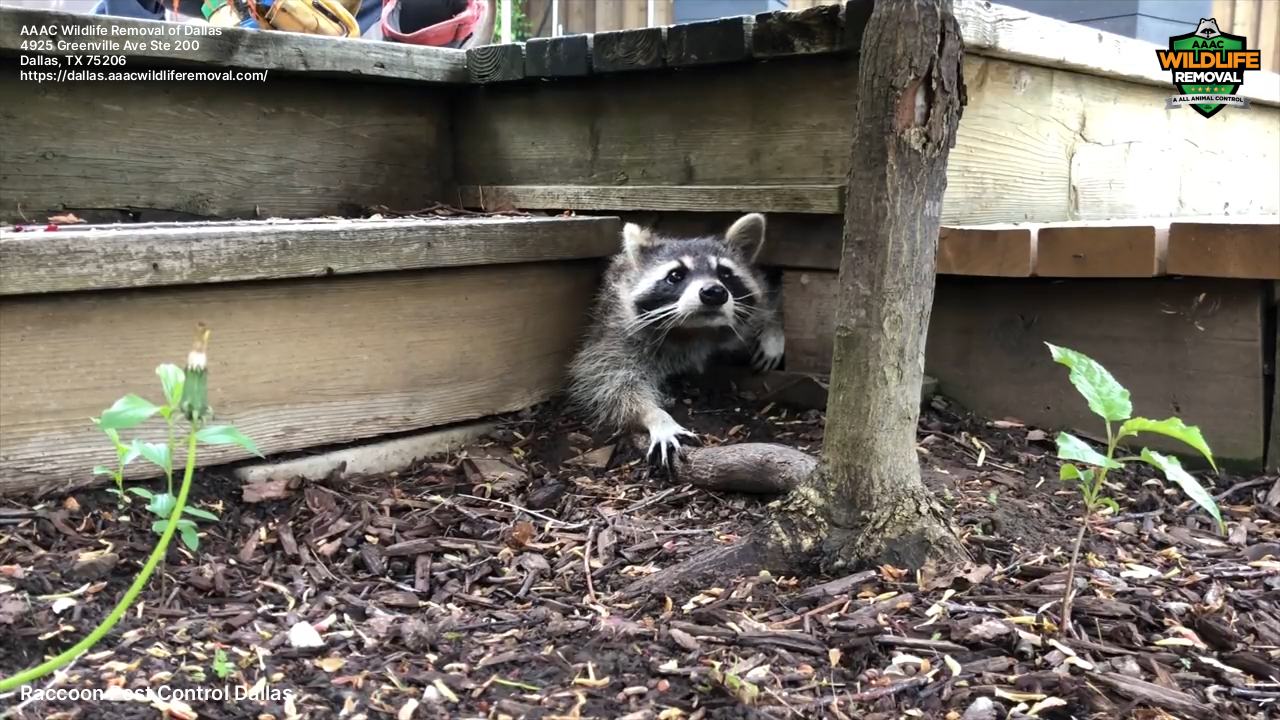
Removal and roofline exclusion usually belong in professional hands. Falls from ladders are not worth the savings, and missteps during removal can trap animals in walls or separate young from mothers. That creates odor problems and ethical headaches, not to mention potential legal issues with protected species. If you try a one-way door yourself for squirrels, you must verify there are no juveniles inside. That verification is harder than it sounds.
Seasonal patterns and how they affect prices
Wildlife intrusions follow rhythms. Squirrels push into attics during nesting seasons, often late winter and late summer. Raccoons explore spring dens and will exploit roof rot after heavy rains. Bats seek summer roosts and winter hibernacula, depending on species. Prices inch up during peak call volume because schedules fill, and companies may add crews or overtime to keep up. Conversely, off-season work can sometimes be scheduled faster, but materials and fuel costs rarely dip meaningfully.
If you can plan exclusion work in a shoulder season after kids have fledged and before winter weather, you might find more availability and a bit more attention to detail simply because crews are not sprinting from one emergency to the next. Still, a good company maintains the same standards year round.
Edge cases that change the budget conversation
Every now and then you meet a house with unusual constraints. I worked on a historic home where the soffits were part of a protected facade. We had to fabricate custom copper mesh and paint-matched flashing to meet both preservation guidelines and wildlife exclusion standards. Materials and coordination tripled the normal cost for a similar home, but it was the only way to do it right.
Another case involved a flat roof with a membrane warranty that prohibited mechanical fasteners. We collaborated with the roofer to use adhesive-based guards and custom brackets at parapets that did https://pastelink.net/bwh5h2hk not void the warranty. That planning time showed up in the estimate, and the client appreciated why. If your home has warranty conditions, HOA restrictions, or architectural features that limit access, expect your bid to reflect the extra problem-solving.
Questions that sharpen your estimate
A short, focused conversation can save you money and headaches. Ask how many visits the quote includes and whether return trips for trapped animals are covered or billed separately. Ask what materials will be used for exclusion and where, and request photos after installation. Ask whether young animals are likely present and how the plan accounts for them. If the company mentions repellents, ask for evidence they work for your species and situation. Many repellents smell impressive and do little once the animal has a den or pups inside.
If you live in a town with strict wildlife rules, ask how the provider stays current on regulations. If they sidestep the question, that is a bad sign. The right wildlife control company should be comfortable explaining the logic of their plan in plain language.
A grounded way to set expectations
Budget for wildlife removal the same way you would for roof work or plumbing. You are paying for skilled labor under real risk with a result that protects your home. Prices reflect species, access, scope, and quality. Cheap fixes invite a second invoice. Well-built exclusion paired with appropriate removal and cleanup gives you a quieter attic and an easier sleep.
Set aside money for three phases: diagnosis, removal with wildlife-friendly methods, and durable exclusion, plus cleanup scaled to the mess. Treat the word exterminator with caution and look for a practitioner of wildlife control who can solve today’s problem and reduce tomorrow’s risk. The animals will keep doing what their instincts demand. Your job is to make your home a bad choice for them, and a good wildlife trapper will show you how, in detail, with a quote that makes sense.